Mobile Transaction Flexibility Reshaping Transitions Between Automated Reels and Live Hosted Tables
Noah Bennett · Oct 7, 2026
Mobile Transaction Flexibility Reshaping Transitions Between Automated Reels and Live Hosted Tables
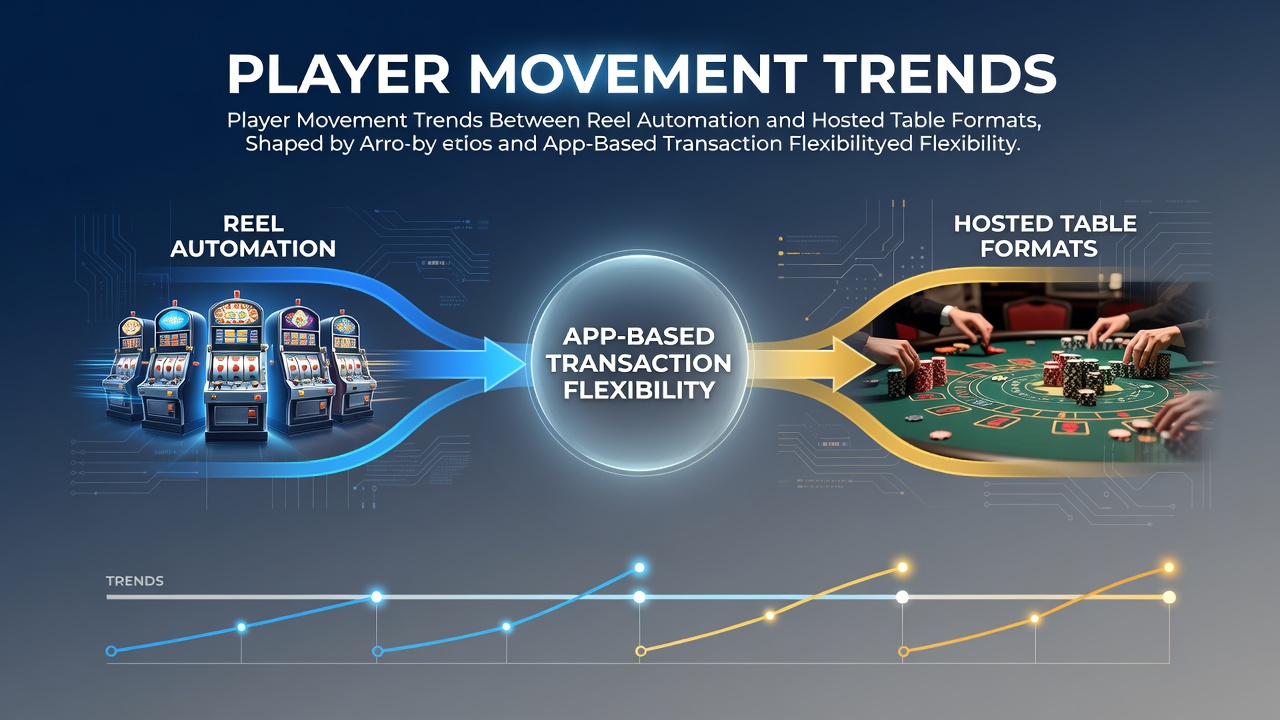
Player movement trends between reel automation and hosted table formats continue to evolve as app-based transaction flexibility expands across digital platforms in October 2026, and data from multiple gaming jurisdictions shows increasing volumes of activity shifting between solitary reel sessions and communal table engagements through smartphone interfaces. Observers note that seamless deposit and withdrawal options within casino applications allow participants to alternate formats without interruption, while transaction speeds measured in seconds rather than minutes support extended participation across both automated and live dealer environments.
Current Patterns in Format Switching
Research indicates that players initiate reel automation sessions then transition to hosted table formats when app-based payment routes enable instant balance updates, and this pattern appears consistently in markets where wireless transaction processing has reached high adoption rates. Studies from regional regulators reveal that average session lengths on automated reels decrease slightly when users can move funds to live dealer tables within the same application, whereas participation in hosted blackjack and roulette increases during peak evening hours because flexible transfers remove traditional barriers between game types. Those who've tracked navigation flows report that users often complete a series of spins, check available table seats through integrated interfaces, and execute transfers that fund new sessions without leaving the mobile environment.
Role of App-Based Payment Routes
App-based transaction flexibility influences how players balance time spent on reel systems versus dealer-hosted tables, and evidence suggests that platforms offering multiple payment methods see higher rates of format alternation during single logins. Data shows that cryptocurrency options and digital wallets reduce processing delays compared to traditional card methods, which in turn supports quicker movement between solitary reel automation and group table play. Researchers discovered that users who enable instant transfer features within applications tend to sample more table formats per session because the friction associated with funding each new game decreases substantially, and this holds true across both domestic and cross-border digital platforms where currency conversion tools integrate directly into the app experience.
Regional Variations and Regulatory Influences
According to reports from the New Jersey Division of Gaming Enforcement, mobile transaction volumes between automated and hosted formats rose measurably in the first half of 2026, while similar patterns emerge in Pennsylvania data where app flexibility correlates with increased table game participation. In contrast, markets with stricter electronic payment rules demonstrate slower shifts, as players encounter additional verification steps that interrupt the flow between reel automation and live dealer sessions. Observers note that these regional differences affect overall engagement metrics, with platforms operating under more permissive frameworks recording higher numbers of format transitions per user account during October 2026.
Impact on Reward and Loyalty Structures
Reward distribution patterns adapt as players move between reel systems and live table formats via smartphone transactions, and accumulation structures now guide shifts more effectively when flexible payment routes credit progress across game categories. Figures reveal that loyalty programs tracking both automated reel activity and hosted table time see participants reaching tier thresholds faster when app-based transfers allow continuous play without separate funding actions. Those studying accumulation mechanics find that bonus allocation tied to transaction frequency encourages extended sessions that alternate between formats, particularly during off-peak periods when users seek to maximize rewards through varied game selection.
Navigation Flows and User Behavior
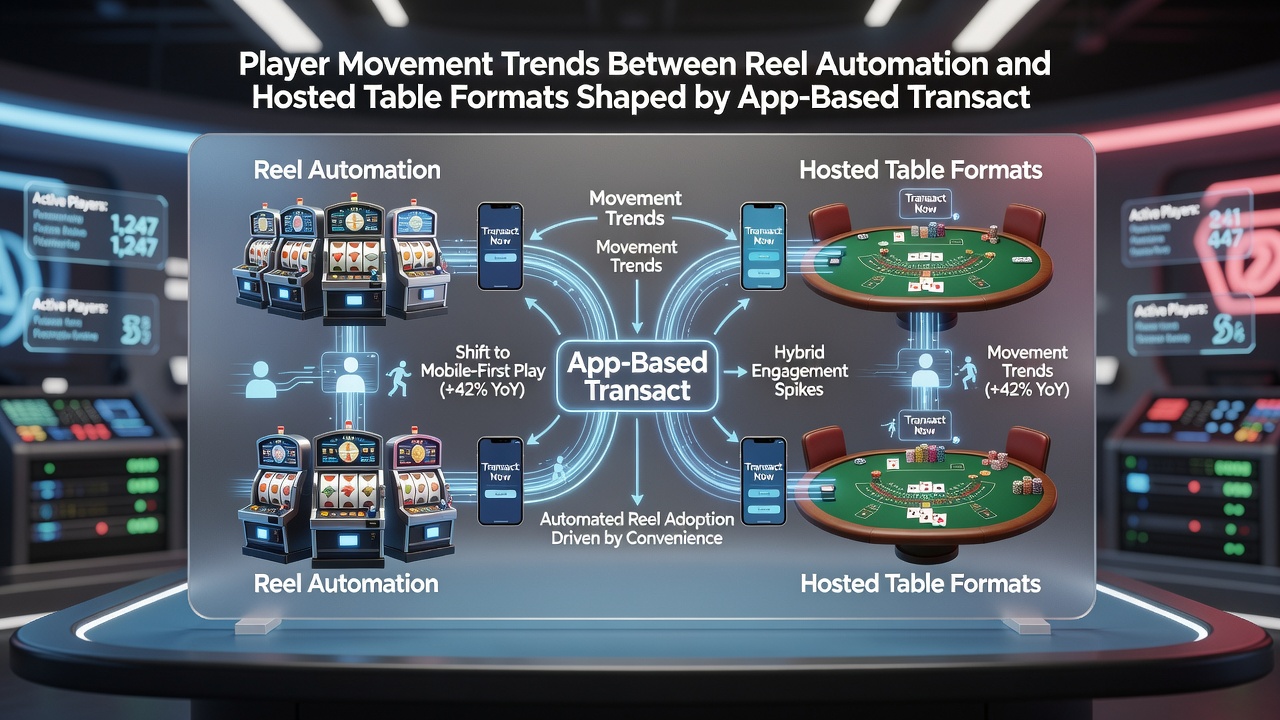
Mapping user navigation flows shows that players alternate between solitary reel sessions and communal table engagements through smartphone interfaces with increasing regularity, and this behavior strengthens when transaction flexibility reduces the steps needed to switch formats. Data indicates that users often begin with automated reels for quick entry then move to hosted tables once they locate available seats via in-app tools, while the reverse pattern occurs when table sessions conclude and participants return to reel automation for shorter, self-paced activity. Experts have observed that these flows become more pronounced on platforms where digital wallets maintain unified balances across all game types, eliminating the need for separate deposits when changing formats mid-session.
Conclusion
Transaction flexibility within mobile applications continues to shape how players move between reel automation and hosted table formats, and ongoing data collection from multiple jurisdictions will clarify the extent of these trends as platforms refine payment integration features. Regulatory bodies and industry organizations track these shifts to understand participation patterns that connect automated systems with live dealer environments through wireless transaction routes, providing measurable insights into evolving digital gaming behaviors through the remainder of 2026 and beyond.