Economic Metrics Guiding Player Shifts Between Reel and Table Options in Mobile Gaming Apps
Noah Bennett · Oct 21, 2026
Economic Metrics Guiding Player Shifts Between Reel and Table Options in Mobile Gaming Apps
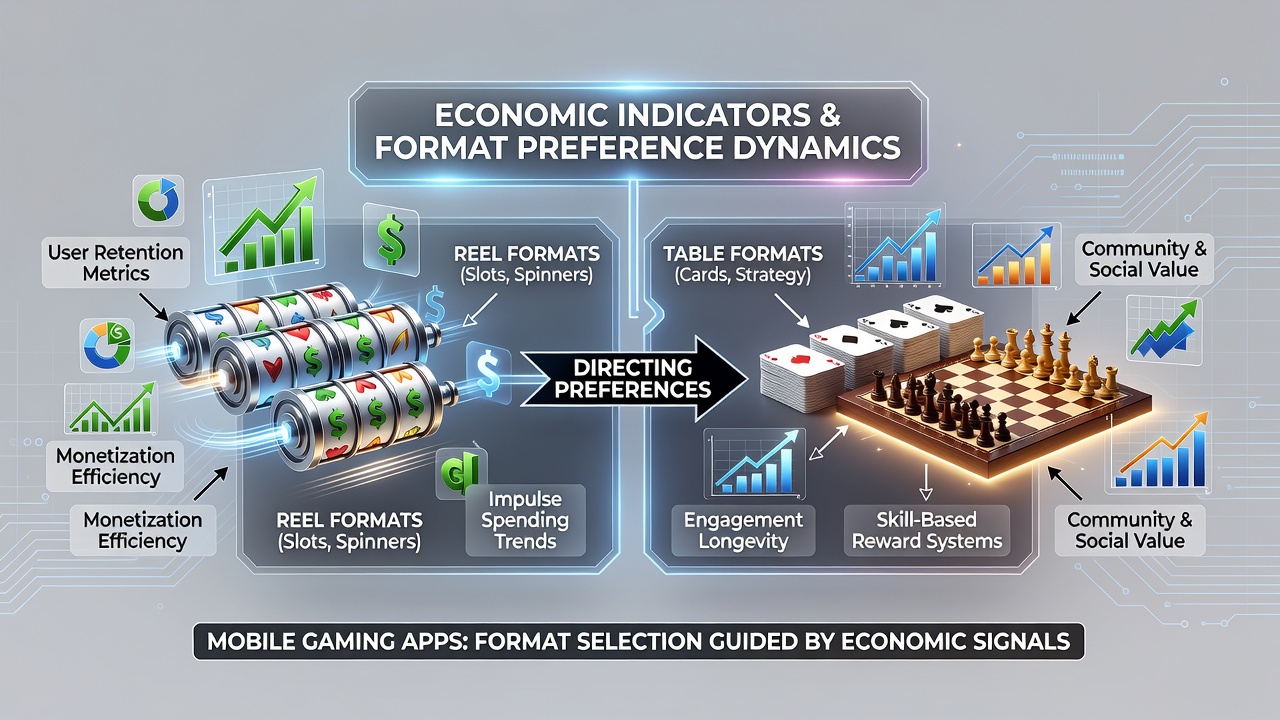
Economic indicators such as inflation rates, employment statistics, and consumer spending patterns have directed noticeable shifts in how players select between automated reel formats and live dealer table games within mobile applications, and observers note these trends have accelerated through October 2026 as global markets adjust to ongoing volatility.
Inflation Pressures and Spending Allocation Patterns
Inflation data released by central banks across multiple regions shows that rising costs for essentials have prompted many users to favor shorter session lengths, which often align with reel-based mechanics because those formats allow quicker deposit and withdrawal cycles through integrated mobile payment systems. Data from the U.S. Bureau of Labor Statistics indicates consumer price indexes climbed steadily into 2026, and this environment has coincided with increased activity on reel spinners during periods when household budgets tighten. Meanwhile, table formats that require sustained engagement have seen steadier participation among segments with higher disposable income, according to industry reports compiled by the American Gaming Association.
Employment Figures and Disposable Income Effects
Employment statistics released in October 2026 reveal regional variations that correlate with format preferences, and researchers at academic institutions tracking digital entertainment have documented how stable job markets in certain states support longer table sessions on smartphones while fluctuating labor data in others pushes players toward reel options with lower entry thresholds. Canadian government economic summaries highlight similar patterns north of the border, where unemployment adjustments have influenced cross-platform activity between solitary reel play and communal table interactions via wireless apps.
Currency Fluctuations and Cross-Border Play Dynamics
Currency swings tracked by the Federal Reserve and comparable bodies in Australia have redirected loyalty point conversions and deposit behaviors, which in turn steer users between reel systems and hosted table sessions on handheld devices. When exchange rates favor stronger local currencies, mobile gamers often extend time in table formats that feature progressive elements, whereas weaker conditions prompt quicker reel rotations to maximize perceived value from bonus allocations. One study from a university research center in Singapore demonstrated these flows through transaction logs spanning 2025 into 2026, showing clear directional changes tied to macroeconomic releases.
Consumer Confidence Indexes and Risk Tolerance Shifts
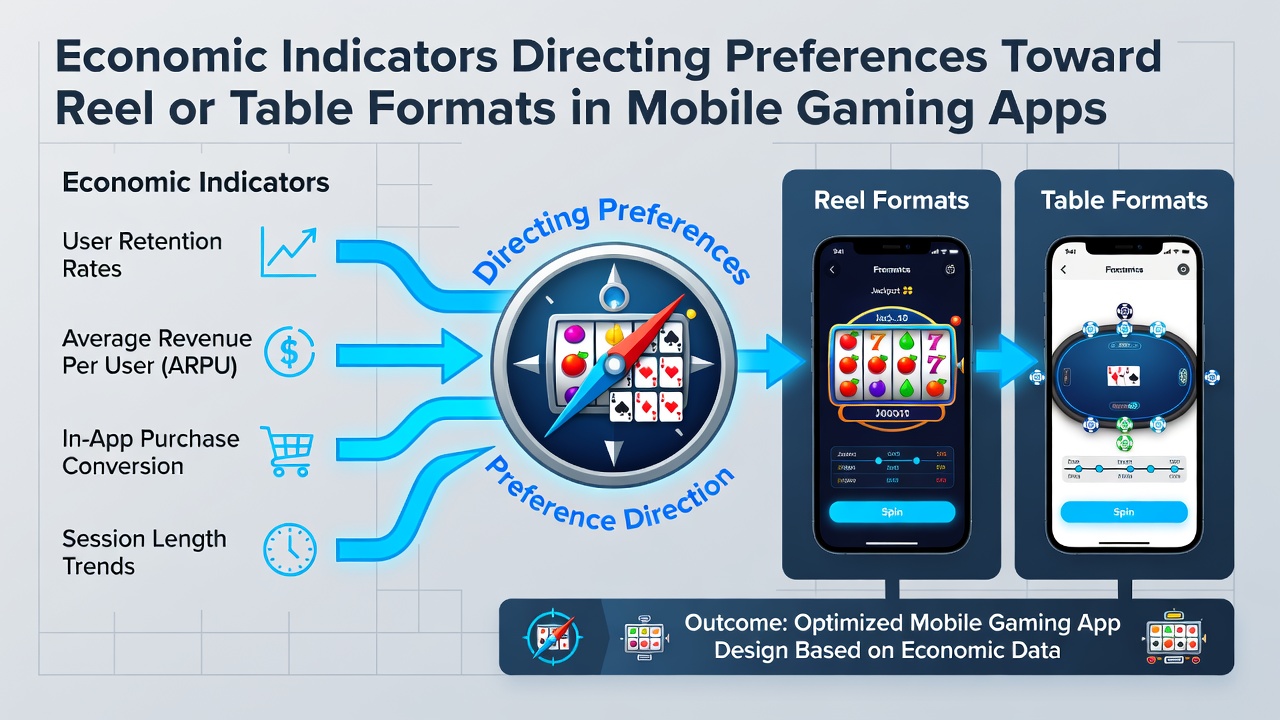
Consumer confidence indexes published monthly by various national agencies demonstrate that dips in sentiment correspond with elevated reel engagement on mobile platforms, because those formats deliver immediate feedback loops that align with cautious spending mindsets. Conversely, periods of rising confidence have coincided with expanded table play, as users allocate portions of increased discretionary funds toward interactive dealer-hosted experiences. Australian Bureau of Statistics figures released in late 2026 illustrate these correlations across digital casino environments, and similar observations appear in European Union economic bulletins that exclude United Kingdom sources.
Payment Route Flexibility Under Economic Stress
Flexible transaction routes within mobile apps have become central to how economic pressures translate into format choices, and data indicates that instant deposit options tied to digital wallets facilitate rapid switches between reel and table environments during volatile months. When interest rate decisions from major central banks create uncertainty, players utilize these pathways to test reel mechanics first before committing to table sessions, which demand more sustained capital commitment. Reports from gaming trade groups in Canada and Australia confirm that such navigation patterns intensified through October 2026 amid ongoing global adjustments.
Regional Regulatory Influences on Format Balance
Regional regulations governing electronic payments have altered strategies for balancing machine spins with dealer interactions, and evidence from regulatory filings shows that restrictions in certain jurisdictions amplify preferences for reel formats during economic slowdowns while easing table access in more permissive markets. These policy differences create measurable divergences in app usage statistics, particularly when combined with broader indicators like GDP growth rates and retail sales data.
Conclusion
Economic indicators continue to shape navigation flows between reel and table formats in mobile gaming apps as October 2026 data accumulates, and patterns tracked by government agencies alongside academic researchers provide clear evidence of these directional influences across multiple regions. The interplay between macroeconomic releases and user behavior on wireless platforms underscores how financial metrics translate into concrete choices within digital entertainment ecosystems.