Digital Wallet Selections Directing Reward Application During Switches From Slot Reels to Live Blackjack Tables on Mobile Platforms
Noah Bennett · Nov 4, 2026
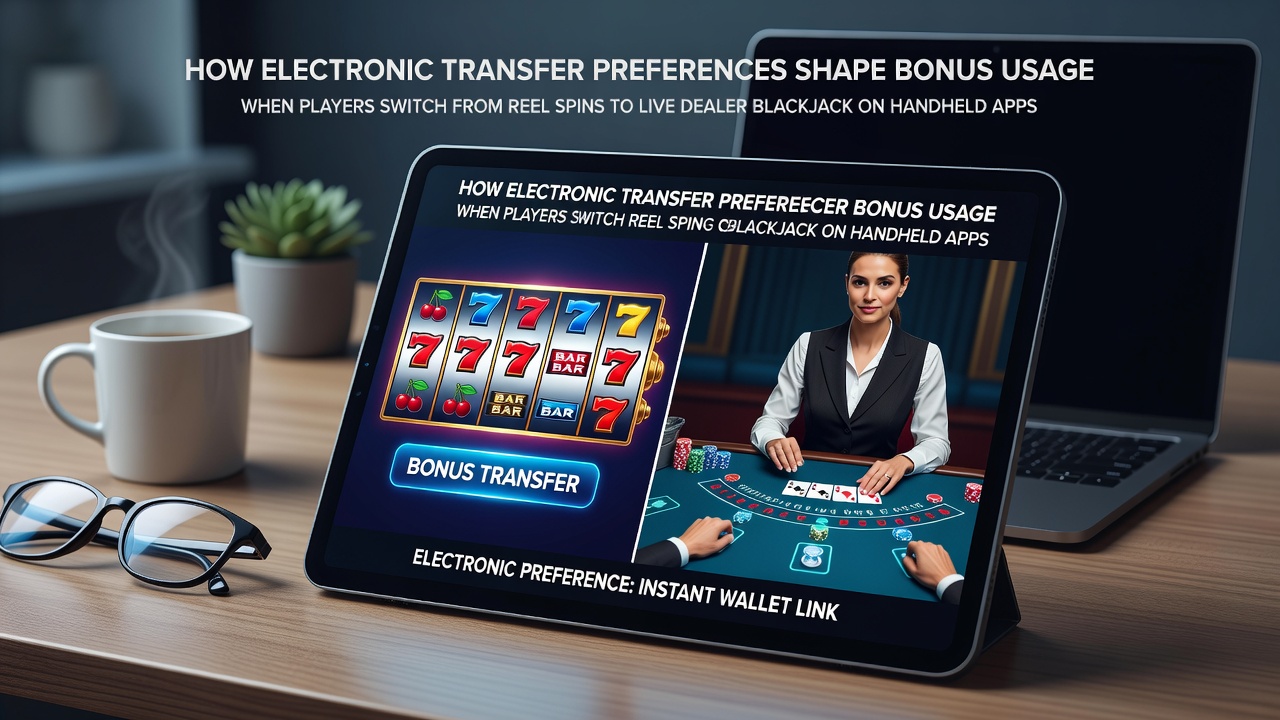
Digital Wallet Selections Directing Reward Application During Switches From Slot Reels to Live Blackjack Tables on Mobile Platforms
Electronic transfer methods have become central to how reward systems operate across mobile gaming environments, particularly when users move between automated reel sessions and live dealer blackjack formats. Data from industry tracking services shows that preferences for specific digital wallets and instant payment rails influence the timing and allocation of bonuses during these transitions. In November 2026 operators reported measurable shifts in bonus redemption rates tied directly to the speed and fee structures of chosen transfer options.
Payment Rails and Bonus Activation Mechanics
Many handheld applications link bonus credits to the initial funding source, so the type of electronic transfer selected at deposit determines whether rewards carry over when a player leaves reel spins for a live table. Research from state regulatory filings indicates that instant bank transfers and certain digital wallets trigger immediate bonus activation, whereas slower methods delay eligibility until funds clear. Observers note that this linkage creates distinct usage patterns: players favoring low-fee instant options tend to apply bonuses more frequently across both game categories within a single session.
Studies conducted by academic researchers at gaming analytics programs reveal that transfer speed correlates with session length. When users select methods that settle in under thirty seconds, bonus balances remain active longer, encouraging extended play at live dealer blackjack tables after initial reel activity. Slower transfers, by contrast, often result in partial bonus forfeiture if users switch formats before confirmation arrives.
Regional Regulatory Influences on Transfer Preferences
Regulatory frameworks in different jurisdictions shape which electronic options receive prominence inside apps. Figures released by the Nevada Gaming Control Board in late 2026 documented increased adoption of state-approved instant payment systems among users alternating between slots and live tables. Similar patterns appear in Canadian provincial reports, where licensed platforms must display transfer fees upfront, leading players to favor routes that preserve bonus value during format changes.
Those who've examined cross-border data find that currency conversion fees attached to certain wallets reduce effective bonus amounts when users move funds between reel and table environments. Applications therefore surface preferred rails that minimize such costs, guiding selection toward methods already integrated with regional banking networks.
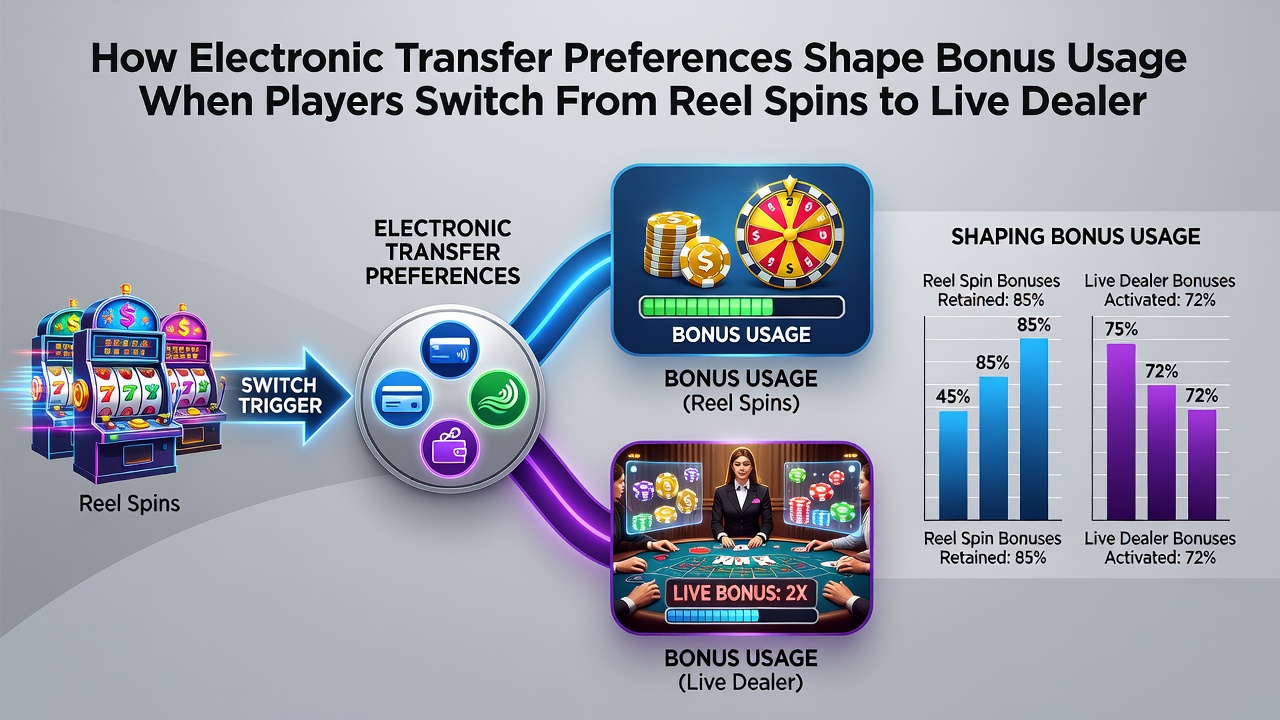
Usage Patterns Across Game Format Changes
Application analytics from multiple operators show that players who rely on the same digital wallet for both deposit and withdrawal maintain higher bonus utilization rates when switching from reels to live blackjack. The continuity reduces friction, allowing remaining bonus credits to apply automatically at the new table format without additional verification steps. In contrast, users who alternate between multiple wallets experience more frequent resets of bonus eligibility, particularly when crossing from solitary reel play into communal live dealer rooms.
One study revealed that bonus allocation algorithms adjust dynamically based on transfer history; repeated use of a single instant rail often unlocks higher percentage matches that survive the transition to live formats. People who've tracked these adjustments note that the systems prioritize stability, rewarding consistent payment preferences with extended validity windows.
Technical Integration and Real-Time Updates
Modern handheld platforms embed real-time balance checks that update immediately after each electronic transfer completes. When a player deposits via a preferred wallet and then enters a live dealer blackjack room, the application recalculates available bonus funds within seconds. This process relies on API connections between the payment provider and the gaming engine, ensuring that reel-spun winnings converted into bonus credits remain accessible at the table.
Industry reports indicate that downtime in these integrations, though rare, disproportionately affects users who switch formats mid-session. Those relying on less common transfer methods encounter longer reconciliation periods, during which bonus balances appear frozen until the live game resumes normal operation.
Conclusion
Electronic transfer preferences continue to shape how bonuses move across game types on handheld casino applications. Data collected through regulatory channels and operator systems demonstrates clear connections between chosen payment rails, bonus activation timing, and continued usage when players leave reel spins for live dealer blackjack. As platforms refine their integrations, the influence of these preferences on reward distribution remains a measurable factor in session behavior and format transitions.